Why Rest Is the Secret Weapon You're Not Using (And How to Do It Right)
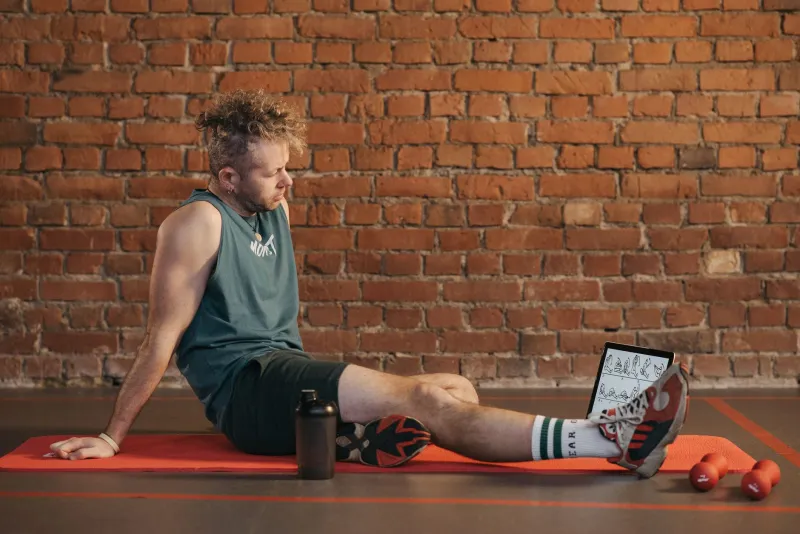
Let's be honest — somewhere along the way, taking a day off started to feel like failure. Fitness culture in the US has a serious hustle problem. The 5 a.m. club, the "no days off" hashtags, the influencer reels of back-to-back workouts — it all sends the same message: if you're resting, you're falling behind.
But here's what that message gets dead wrong. Your body doesn't actually get stronger during a workout. It gets stronger after one. Recovery isn't a pause in your progress — it is your progress.
At One88 Fit, we're built around the idea of training smarter, not just harder. And one of the smartest things you can do for your fitness goals is build intentional recovery into your schedule — not as an afterthought, but as a core part of your plan.
The Biology Behind Why Rest Works
When you push through a tough training session, you're creating microscopic damage in your muscle fibers. That sounds scary, but it's exactly the point — your body responds to that stress by repairing those fibers stronger and denser than before. That process is called muscle protein synthesis, and it happens almost entirely outside the gym.
Beyond muscles, your nervous system, connective tissue, and hormonal balance all take a hit during intense training. Cortisol — your body's primary stress hormone — spikes during hard workouts. That's normal and even helpful in short bursts. But when cortisol stays elevated because you're not giving your body time to reset, it starts working against you. We're talking disrupted sleep, increased fat storage, suppressed immune function, and a plateau that makes you feel like no amount of effort is moving the needle.
Research consistently backs this up. A 2022 review published in the Journal of Strength and Conditioning Research found that athletes who incorporated structured recovery periods saw significantly greater performance improvements over 12 weeks compared to those who trained at high intensity without adequate rest. The data is clear: recovery multiplies your results.
What "Strategic" Actually Means
There's a big difference between collapsing on the couch because you're exhausted and deliberately scheduling a recovery day because you've earned it. Strategic rest is intentional, structured, and — done right — surprisingly active.
Think of it less like a "day off" and more like a different kind of training session. Here's what that can look like:
Active Recovery Workouts
Light movement on rest days keeps blood flowing to fatigued muscles, which speeds up the delivery of nutrients and the removal of metabolic waste. A 20-30 minute walk, a gentle yoga flow, or a low-intensity bike ride are all solid options. The goal is to move without creating additional stress — keep your heart rate well below your training zones and focus on how your body feels.
Sleep Optimization
This one's non-negotiable. Human growth hormone — the compound your body uses to repair tissue and build muscle — is released primarily during deep sleep. If you're cutting your sleep short or getting poor-quality rest, you're literally leaving gains on the table.
Aim for 7-9 hours. Make your bedroom cool (around 65-68°F is the sweet spot for most people), dark, and screen-free at least 30 minutes before bed. If you're training hard, even a 20-minute nap in the early afternoon can meaningfully boost recovery.
Nutrition Timing on Rest Days
A lot of people make the mistake of dramatically cutting calories on days they don't train. But if your muscles are in repair mode, they still need fuel. Protein intake remains just as important on rest days — shoot for your normal daily protein target (typically 0.7-1g per pound of bodyweight for active individuals). You can modestly reduce carbohydrates since you're not depleting glycogen stores, but don't starve your recovery.
Anti-inflammatory foods are your best friend here. Think fatty fish like salmon, leafy greens, berries, and turmeric. These aren't just health buzzwords — they actively support the cellular repair processes happening in your body.
Finding Your Recovery Rhythm
So how much rest is actually enough? The honest answer is that it depends on your training intensity, age, stress levels, and sleep quality. But a useful general framework is to think about recovery as roughly proportional to your training load.
For most recreational athletes and fitness enthusiasts training at moderate-to-high intensity, building in one full or active recovery day for every 7-8 days of training tends to hit the sweet spot. That's enough volume to drive adaptation without accumulating the kind of fatigue that leads to overtraining syndrome — a very real condition that can sideline you for weeks or even months.
If you're following a One88 Fit personalized training plan, your recovery days are already baked into your programming. But if you're building your own schedule, pay attention to warning signs that you need more rest: persistent soreness that doesn't ease up after 48 hours, declining performance despite consistent effort, mood changes, disrupted sleep, or a general sense of dreading your workouts. Those aren't signs of weakness — they're your body communicating clearly.
Reframing What Progress Looks Like
One of the most powerful mindset shifts you can make as an athlete — whether you're a weekend warrior or someone working toward a specific performance goal — is to start measuring progress differently.
Progress isn't just the miles you ran or the weight you lifted this week. It's also how well you slept. How recovered you felt going into your next session. Whether your performance is trending upward over months, not just days.
The athletes and everyday fitness enthusiasts who sustain results over years aren't the ones who never take breaks. They're the ones who've figured out how to work hard and recover smart. That's not a compromise — that's the whole game.
At One88 Fit, we're here to help you build that kind of sustainable fitness life. Train smarter. Recover intentionally. And watch what happens when you finally give your body the full picture of what it needs to thrive.